

Why Your Skin Barrier and Microbiome Matter for Healthy Aging
July 1, 2026
When most people think about skin aging, they think about wrinkles, fine lines, or loss of firmness, but long before those visible signs appear, changes are happening beneath the surface. In fact, one of the biggest factors influencing how skin ages over time isn’t a specific anti-aging ingredient or treatment — it’s the health of your skin barrier and microbiome.
What Is the Skin Barrier?
Discovered by Dr. Carl Thornfeldt, also known as The Father of the Skin Barrier, long-term skin health doesn’t begin with treating the skin’s surface; it begins with supporting a strong and resilient skin barrier. The skin barrier is the outermost layer of the skin. Think of it as your body’s first line of defense against the outside world. Its job is to:
- Lock in moisture
- Keep irritants and pollutants out
- Protect against environmental stressors
- Support healthy skin function
A healthy skin barrier is often compared to a brick wall. Skin cells are the “bricks,” while lipids — including ceramides, cholesterol, and fatty acids — act as the “mortar” holding everything together.
When this barrier is strong, skin appears smoother, calmer, and more resilient. When it becomes compromised, moisture escapes more easily and irritants can penetrate more deeply, leading to dryness, sensitivity, inflammation, and accelerated visible aging.
What Is the Skin Microbiome?
Living on the surface of your skin is a diverse community of micro-organisms — known as the skin microbiome. While the word “bacteria” often gets a bad reputation, many microbes are actually beneficial and essential for healthy skin. A balanced microbiome helps:
- Support the skin barrier
- Defend against harmful microorganisms
- Regulate inflammation
- Maintain optimal skin health
The skin barrier and microbiome work together as a team. When one becomes disrupted, the other often suffers as well.
Why Dermatologists Call the Skin Barrier the Foundation of Skin Health
Many common skin concerns — from dryness and sensitivity to acne and premature aging — can be traced back to a weakened skin barrier.
When the barrier becomes compromised, the skin enters a cycle of chronic low-grade inflammation. Over time, this inflammation can contribute to collagen breakdown, uneven tone, rough texture, and the appearance of fine lines and wrinkles.
That’s why many dermatologists focus on restoring barrier function before aggressively treating concerns like acne, discoloration, or aging. Healthy skin is more responsive to treatments. Compromised skin is often more reactive.
What Causes the Skin Barrier to Break Down Over Time?
Aging itself naturally affects barrier function, but many everyday habits can accelerate the process. Common contributors include:
- Overwashing or cleansing too frequently
- Using harsh cleansers
- Over-exfoliating with scrubs or acids
- Excessive sun exposure
- Environmental pollution
- Chronic stress
- Lack of sleep
- Dry climates and seasonal weather changes
- Overuse of active ingredients like retinoids or exfoliating acids
Can Overwashing Your Face Damage Your Skin Barrier?
Cleansing is important, but more isn’t always better. In fact, one of the most common mistakes is overwashing. Washing too frequently or using cleansers that strip away natural oils can disrupt both the skin barrier and microbiome, often leading to tightness, dryness, irritation, increased oil production, and heightened sensitivity.
For most people, cleansing twice daily with a gentle cleanser is sufficient. If your skin feels squeaky clean after washing, it may be a sign that your barrier has been stripped.
How Long Does It Take to Restore a Compromised Skin Barrier?
The answer to this question depends on the severity of the damage. For mild barrier disruption, improvements may be noticeable within a few weeks, while more significant damage can take several months to fully recover. The key is consistency. Skin barrier repair is not an overnight process; it requires reducing irritation while supporting the skin’s natural repair mechanisms.
Can You Repair Your Skin Barrier While Also Treating Acne or Signs of Aging?
Skin barrier health is important as it can play a role in development of both acne and visible signs of aging. Addressing skin barrier health and particular skin concerns is often the most effective approach. The goal isn’t to stop addressing acne or aging concerns. It’s to do so without overwhelming the skin. A barrier-first strategy allows you to:
- Maintain hydration
- Minimize irritation
- Improve tolerance to active ingredients
- Support healthier long-term results
Rather than choosing between skin repair and treatment, modern skincare focuses on achieving both simultaneously.
How to Support a Healthy Skin Barrier and Microbiome
The most effective routines are often the simplest. Here is a sample Epionce routine that works to support the barrier, microbiome, and overall skin health. Keep in mind that these formulas are designed to address the needs of different skin types.
Step 1: Gently cleanse with Milky Lotion Cleanser, Lytic Gel Cleanser, Gentle Foaming Cleanser, or Purifying Wash
Step 2: Exfoliate safely and gently with Epionce Lite Lytic Tx, Lytic Tx, Lytic Plus Tx, or Lytic Sport Tx
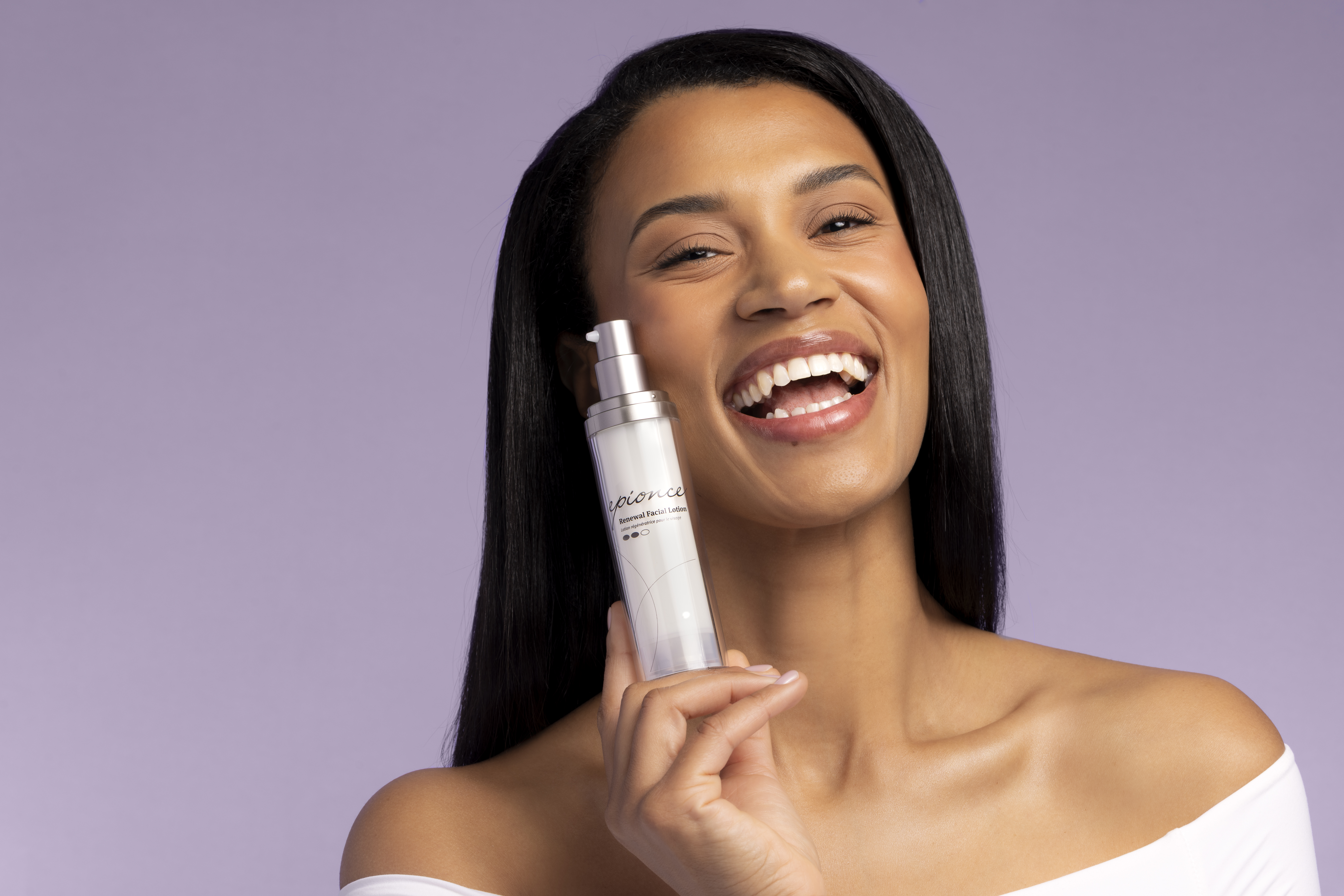
Step 3: Hydrate daily with Renewal Lite Facial Lotion, Renewal Facial Lotion, or Renewal Facial Cream
Step 4: In the morning, it’s essential to shield the skin from environmental aggressors that can compromise the skin’s barrier and microbiome with our mineral-based Daily Shield Tinted SPF 50
An Epionce Approach to Barrier Health
At Epionce, we believe healthy skin starts with a healthy barrier. Our barrier-first philosophy is rooted in supporting the skin barrier and helping reduce factors that can lead to continual damage of it. Rather than aggressively stripping, peeling, or overcorrecting, Epionce products feature botanically derived ingredients that are proven to help maintain optimal barrier function while addressing visible skin concerns.
Because the truth is simple: when the skin barrier and microbiome are healthy, skin behaves better. It looks healthier, feels more comfortable, and is better equipped to withstand the environmental and lifestyle stressors that contribute to visible aging over time.
Healthy aging doesn’t start with treating wrinkles. It starts with protecting the foundation underneath them.